
In today’s digital-first world, consumers rely on search engines like Google to find products, services, and information. Whether someone is searching for a restaurant near them or a digital marketing agency, the first place they go is Google.
This makes SEO (Search Engine Optimization) one of the most essential tools for any business that wants to grow online.
A strong SEO strategy helps your website rank higher on search engines, increase visibility, attract organic traffic, and convert more customers—all without paying for ads.
This detailed guide explains everything you need to know about SEO: its importance, how it works, the techniques involved, and how businesses can leverage it for long-term success.
1. What Is SEO?
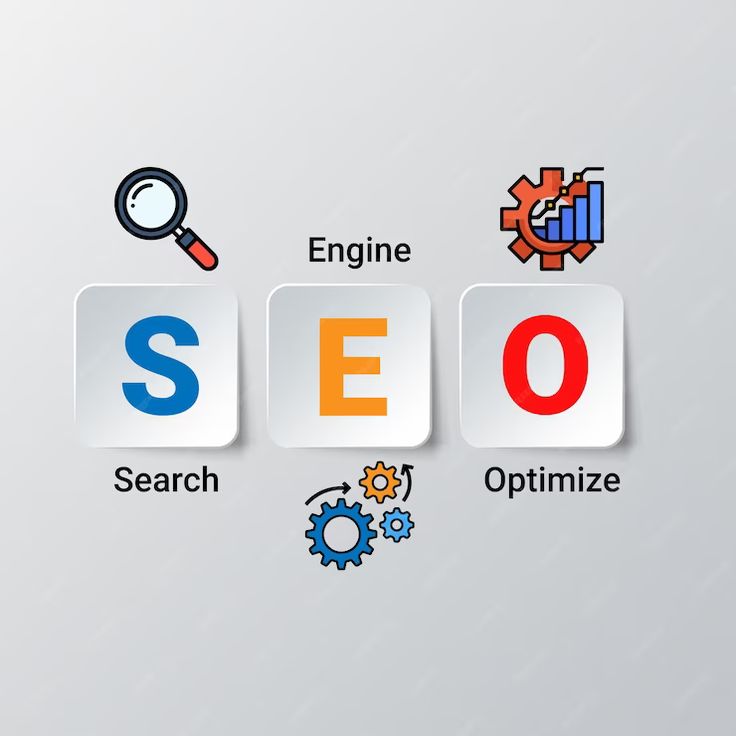
SEO (Search Engine Optimization) is the process of optimizing your website to rank higher in search engine results pages (SERPs).
When your site appears on the first page of Google for relevant keywords, users are more likely to click on your website.
SEO focuses on making your website:
- Search-engine-friendly
- User-friendly
- Fast and mobile responsive
- Optimized for the right keywords
Unlike paid ads, SEO drives organic traffic, which is free and long-lasting.
2. Why SEO Is Important for Businesses
SEO is not optional anymore—it’s a necessity. Here’s why:
1. Increased Visibility
A higher ranking means more people see your business.
2. Builds Trust and Credibility
Users trust websites that appear on the first page of Google.
3. Boosts Organic Traffic
SEO brings consistent visitors without paying for ads.
4. Long-Term Results
Unlike ads that stop when the budget ends, SEO works for months and years.
5. Better User Experience
Fast-loading, mobile-friendly websites keep customers engaged.
6. Higher Conversion Rates
SEO attracts users who already want the products or services you offer.
7. Cost-Effective
It is one of the most profitable long-term marketing strategies.
3. How Search Engines Work
Search engines like Google follow three main steps:
1. Crawling
Google bots scan the internet and discover new or updated pages.
2. Indexing
Google stores these pages in its database.
3. Ranking
Google decides which pages are most relevant and displays them in search results.
SEO helps search engines understand your content better so they can show it to the right users.
4. Types of SEO
SEO is divided into three major categories:
1. On-Page SEO
This refers to optimizations made directly on your website.
Key elements include:
- Keyword research
- Meta titles and descriptions
- Headings (H1, H2, H3)
- Content optimization
- Image alt tags
- Internal linking
- URL structure
Good on-page SEO ensures search engines understand your content clearly.
2. Off-Page SEO
This focuses on building your website’s authority through external factors.
Off-page SEO includes:
- Backlinks from trusted websites
- Online reviews
- Social signals
- Brand mentions
- Guest posting
The more high-quality backlinks you have, the better your chances of ranking.
3. Technical SEO
This involves optimizing the backend of your website.
Technical SEO includes:
- Mobile responsiveness
- Fast loading speed
- SSL (HTTPS security)
- XML sitemap
- Robots.txt
- Schema markup
- Fixing broken links
Technical SEO ensures your website is smooth, fast, and easy for search engines to crawl.
5. Keyword Research: The Foundation of SEO
A successful SEO strategy starts with choosing the right keywords.
Types of keywords:
- Short-tail keywords: “digital marketing”, “shoes”
- Long-tail keywords: “best digital marketing agency in India”, “affordable running shoes for women”
- Local keywords: “salon in Kannur”, “best café near Payyambalam”
Use tools like:
- Google Keyword Planner
- Ubersuggest
- SEMrush
- Ahrefs
Choose keywords with good search volume and low to medium competition.
6. Content Optimization: The Heart of SEO
Content is the most powerful ranking factor. Google prioritizes helpful, valuable, and relevant content.
To optimize your content:
- Write for humans first, then search engines
- Use keywords naturally
- Add headings and subheadings
- Include FAQs
- Add images and videos
- Update old content regularly
High-quality content keeps users engaged and signals authority to Google.
7. Importance of Mobile SEO
More than 60% of all searches happen on mobile devices.
Google uses mobile-first indexing, meaning it ranks websites based on their mobile performance.
Your website must be:
- Fully responsive
- Fast on mobile
- Easy to navigate
- Touch-friendly
Mobile-friendly websites rank higher and deliver a better user experience.
8. Local SEO: Ranking for Local Customers
Local SEO helps businesses appear in searches like:
- “plumber near me”
- “best bakery in Kannur”
- “digital marketing agency near me”
Key components of local SEO:
- Optimize Google Business Profile
- Add consistent NAP (Name, Address, Phone)
- Get local reviews
- Add local keywords
- Build local citations
- Get backlinks from local websites
Local SEO is essential for small businesses and service providers.
9. Link Building: Increasing Authority
Link building helps Google trust your website.
Best ways to build high-quality backlinks:
- Guest blogging
- Collaborations and partnerships
- Press releases
- Directory submissions
- Social media promotions
- Creating shareable content
Quality matters more than quantity.
10. SEO Tools You Should Use
Free Tools:
- Google Analytics
- Google Search Console
- Google Keyword Planner
- Ubersuggest (free version)
Paid Tools:
- Ahrefs
- SEMrush
- Moz Pro
These tools help track rankings, audit your site, and find keyword opportunities.
11. Common SEO Mistakes to Avoid
Avoid these mistakes if you want strong rankings:
- Keyword stuffing
- Using duplicate content
- Slow website speed
- Ignoring mobile optimization
- Buying cheap backlinks
- Not updating your content
- No internal linking
Good SEO is about quality, not shortcuts.
12. How Long Does SEO Take?
SEO is a long-term strategy.
You can expect results in 3–6 months, depending on:
- Competition
- Website quality
- Content frequency
- Backlinks
Consistent effort leads to long-lasting growth.
Conclusion
SEO is one of the most powerful digital marketing strategies for any business. It helps you increase visibility, attract quality visitors, and grow your brand organically. By focusing on on-page SEO, technical SEO, content optimization, and link building, you can create a strong digital presence and stay ahead of competitors.